I have mixed feelings about late summer. I wait all winter for spring because I love getting my hands in the soil and harvesting the first fresh food of the year. Then all summer long I am busy keeping up with the harvest, cooking it, preserving it, and trying not to let anything go to waste. By the time Labor Day rolls around, I am tired. But this is also my last big push of the year, the moment to plant crops that will feed us well into December with just a little extra care.
Gardening isn’t just for summer
Fall gardening is honestly my favorite season in the garden. There are fewer bugs (cabbage moths being the stubborn exception), the heat lets up, plant disease slows down, and everything matures at a pace I can actually keep up with. Plenty of cool-season crops also develop better flavor and quality when they mature in cool weather, as Alabama Cooperative Extension notes, so a fall garden often tastes better than a summer one. This week I started the slow transition over to my fall beds.
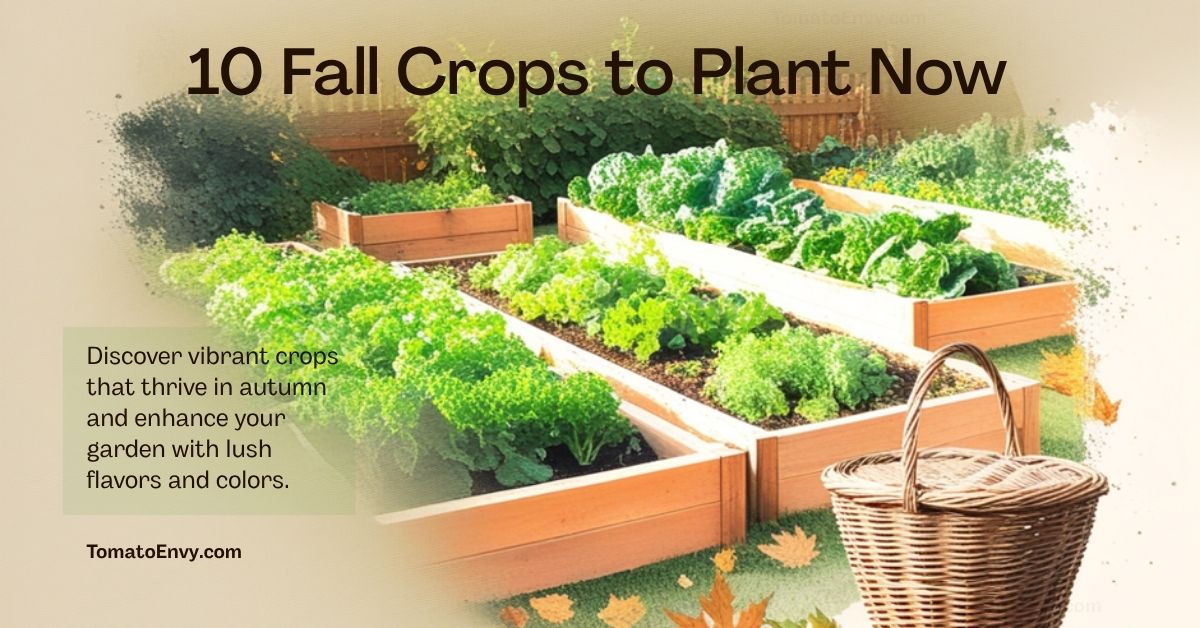
If you need convincing that gardening isn’t just for summer, here are my ten favorite fall crops to plant right now. A few of the slow growers, like broccoli, cabbage, and Brussels sprouts, need to be started indoors in late summer. If you didn’t get around to that, don’t worry. You can pick up seedlings at your local garden center. Everything else can go straight into the ground.
My 10 favorite fall crops
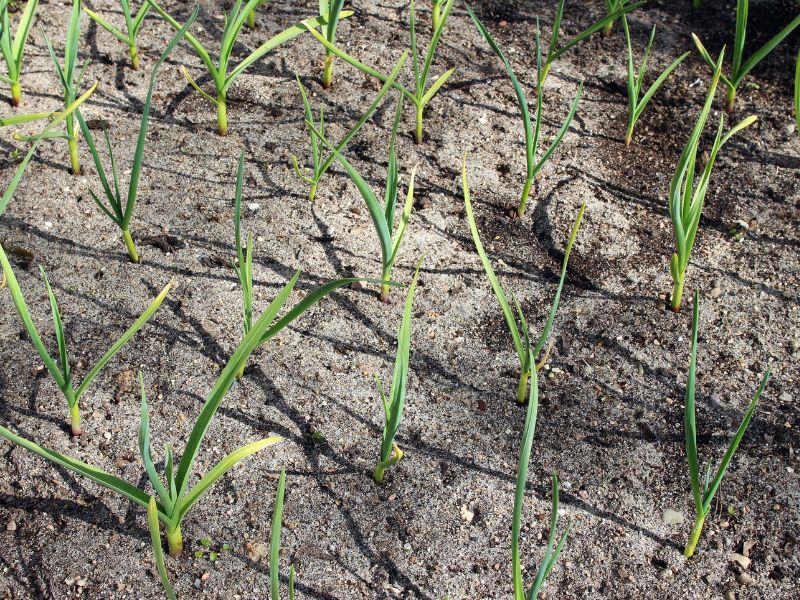
Garlic. Garlic is one of the most practical crops you can grow, since most of us cook with tons of it all year. Order your seed garlic now and plant the cloves in mid to late October, the window University of Maryland Extension recommends, so the roots have time to establish before the ground gets cold. Stored properly, the bulbs you harvest next summer should last you almost until the following year.
Lettuce. Few plants are easier. Direct-sow the tiny seeds, keep them consistently watered, protect them from a hard frost, and you can be cutting fresh lettuce for Thanksgiving or even Christmas dinner. I have pulled lettuce from our garden well into December from seeds I planted in mid to late August, and a simple cold frame stretches the harvest even further. Penn State Extension has a good rundown if you want to try a little season extension.
Kale. This dark leafy green earns a lot of space in my fall garden. My favorite is Tuscan kale, also called lacinato, because it looks beautiful in the beds and gives heavy yields of those long, dimpled leaves. I take a few leaves from each plant at a time and it just keeps coming. We use it in smoothies, on pizza, in lasagna, and braised alongside eggs in the morning.
Broccoli. Set out transplants you started indoors or bought at the garden center. It is well worth the effort. Broccoli is easy to grow, handles frost without a problem, and once you cut the main head it keeps pushing out smaller side shoots. I have far more success with fall broccoli than I ever do in spring.
Cabbage. How are you going to enjoy fish tacos with homegrown slaw this winter if you don’t plant cabbage now? I grow a pretty oxheart variety that stays smaller than most, so it doesn’t hog space in my raised beds. Once harvested, a head will keep for weeks in the fridge. Plant seedlings in late August.
Spinach. I have given up on spring spinach. For me it never germinates reliably, it bolts too fast, and leaf miners always find it. Fall is a different story. I direct sow into the warm soil of late summer, keep the seedlings consistently watered, and pick a few leaves at a time so the plants keep producing. Spinach shrugs off light frost, and with a little cover it can come through a hard freeze too. Cornell Cooperative Extension lists it among the greens that survive down into the mid 20s.
Arugula. Direct sow in August for a peppery kick in your fall and winter salads. Like spinach and kale, arugula is a cut-and-come-again green, so take a few leaves from each plant and it will keep yielding. Try it on a pizza with fontina and a squeeze of lemon.
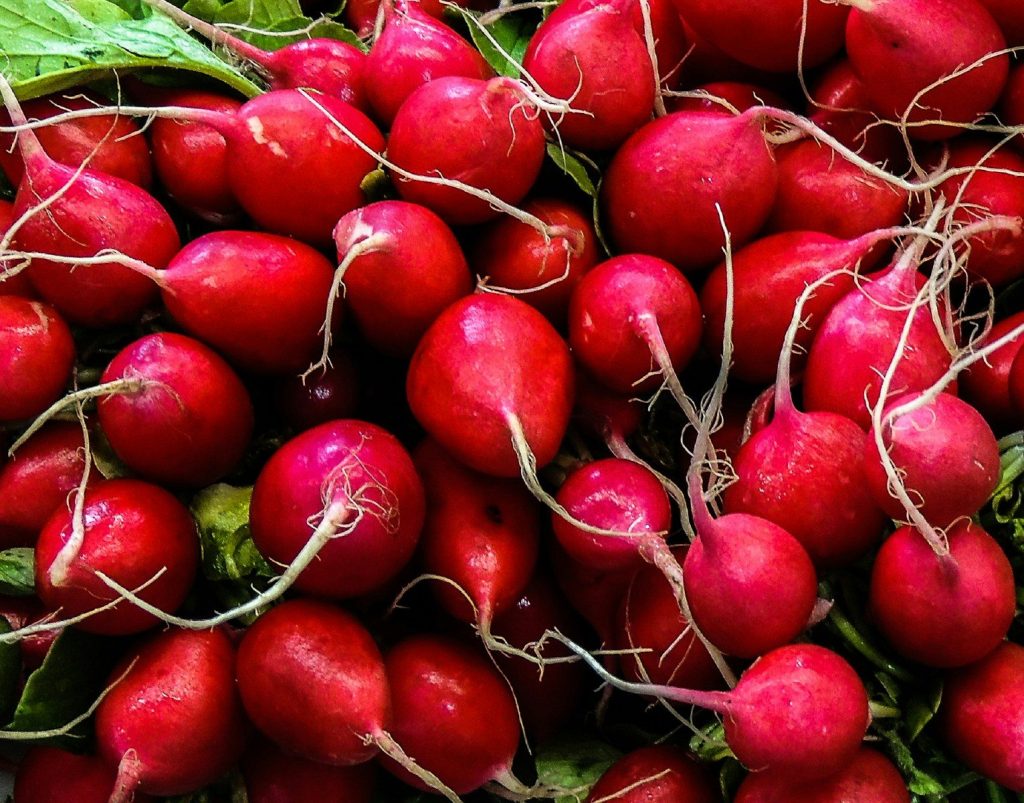
Radishes. These spicy little roots perk up a salad, or you can cook them in butter for a mild, crunchy side. They take up almost no room since you can sow the seeds close together, and most varieties are ready in about 30 days. Quick gratification for an impatient gardener.
Mustard greens. These are Mr. President’s favorite. He’ll tear off a leaf to munch on as he wanders through the garden. I grow a red mustard with purple and green leaves that look gorgeous out there. I like to combine them with my kale for a quick braise to serve next to roast chicken or eggs. Direct sow the seeds and you’ll have greens in as little as six weeks.
Turnips. I think turnips are the easiest root vegetable going, and you get two crops in one since the green tops cook up just like kale or mustard. Turnips not only survive frost, they taste better for it, turning sweeter as the cold sets in. Leave them in the ground and pull them as you need them, as long as the soil isn’t frozen. Slice the tender ones thin to eat raw, or roast and braise the rest.
One last push before winter
That’s my short list, and there is still time to get most of it going. A little effort now, before the season turns, means fresh food on the table long after your neighbors have packed up their gardens for the year. Check your local frost dates so you can time things right, then go get your hands dirty one more time.
This article is for general gardening information. Growing conditions and frost dates vary by region, so check your local cooperative extension office for guidance specific to your area.
© 2026 by TomatoEnvy.com All rights reserved. No part of this document may be reproduced or transmitted in any form or by any means, electronic, mechanical, photocopying, recording, or otherwise, without prior written permission.