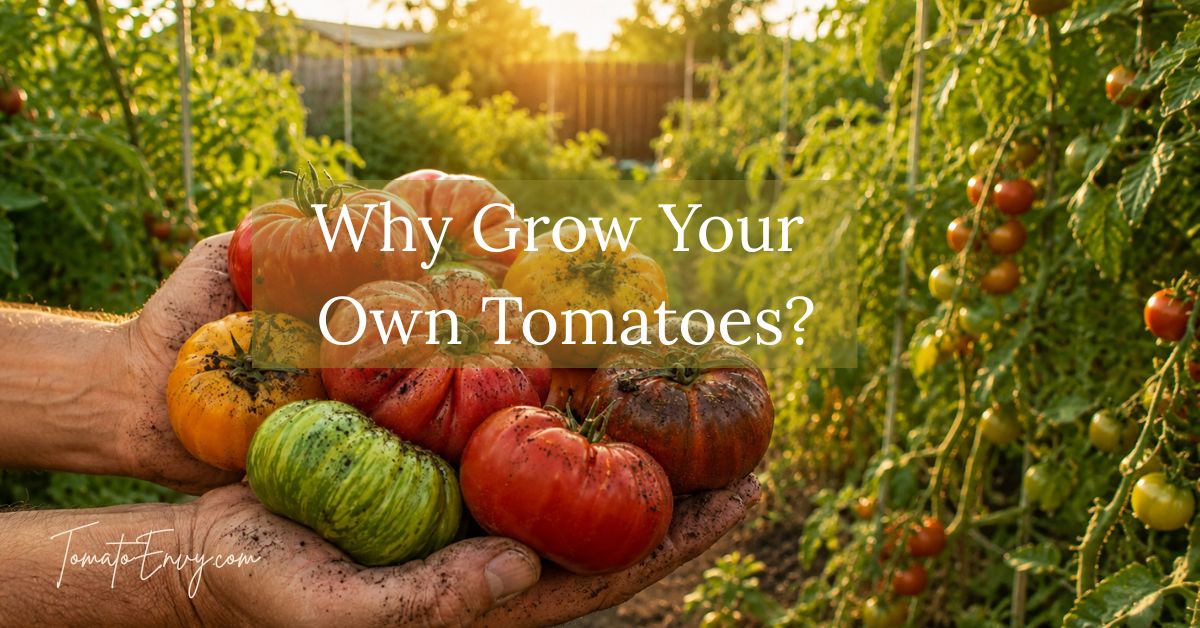
If you have ever bitten into a sun-warmed tomato picked five minutes earlier, you already know where this article is headed. And if you have not, well, that is reason number one all by itself. But let me make the full case, because growing tomatoes gives you a lot more than bragging rights at the August barbecue.
Here on Long Island, in our zone 7 garden, tomatoes are the crop everything else revolves around. I plan the whole bed layout around them. Guilty as charged. Here is why I think you should give them a spot in your garden too.
The Flavor Is Simply Not Available in Stores
This is the big one. Supermarket tomatoes are bred to survive shipping, sit on a shelf, and look uniform under fluorescent lights. Flavor comes last on that list. They are picked green and ripened with ethylene gas, which gets you a red tomato but not a great one.
A homegrown tomato ripens on the vine until the moment you pick it. The sugars develop fully. The acids stay bright. The texture is tender instead of mealy. Once you grow a Brandywine or an oxheart and eat it still warm from the sun, the produce aisle becomes a place you visit only in winter, and reluctantly.
Gardeners are not imagining this. Flavor and freshness consistently rank among the top reasons people grow their own vegetables, according to N.C. Cooperative Extension, right alongside trimming the grocery bill.
You Get a Lot of Food From Very Little Space
Tomatoes are generous plants. A single healthy plant can produce 10 to 15 pounds of fruit or more, as the University of Maryland Extension notes, and they do not need much room to do it. Even if all you have is a sunny patio, a dwarf or patio variety in a large container will keep you in cherry tomatoes all summer.
Compare that to the price of decent tomatoes at the farmstand, which around here can run four or five dollars a pound in peak season. A few plants pay for themselves quickly, and then they just keep paying.
The Variety Will Ruin You for Ordinary Tomatoes
Your grocery store carries maybe five kinds of tomatoes. Seed catalogs carry thousands. Tiny currant tomatoes, striped green zebras, smoky black krims, meaty paste types for sauce, giant pink beefsteaks that need two hands. Growing your own is the only practical way to taste most of them.
This is half the fun of it, honestly. Every winter, I pick one or two new varieties to trial alongside the proven favorites, and every summer, there is a little taste-test ritual in the kitchen. Some experiments flop. The good ones become family tradition.
They Are Genuinely Good for You
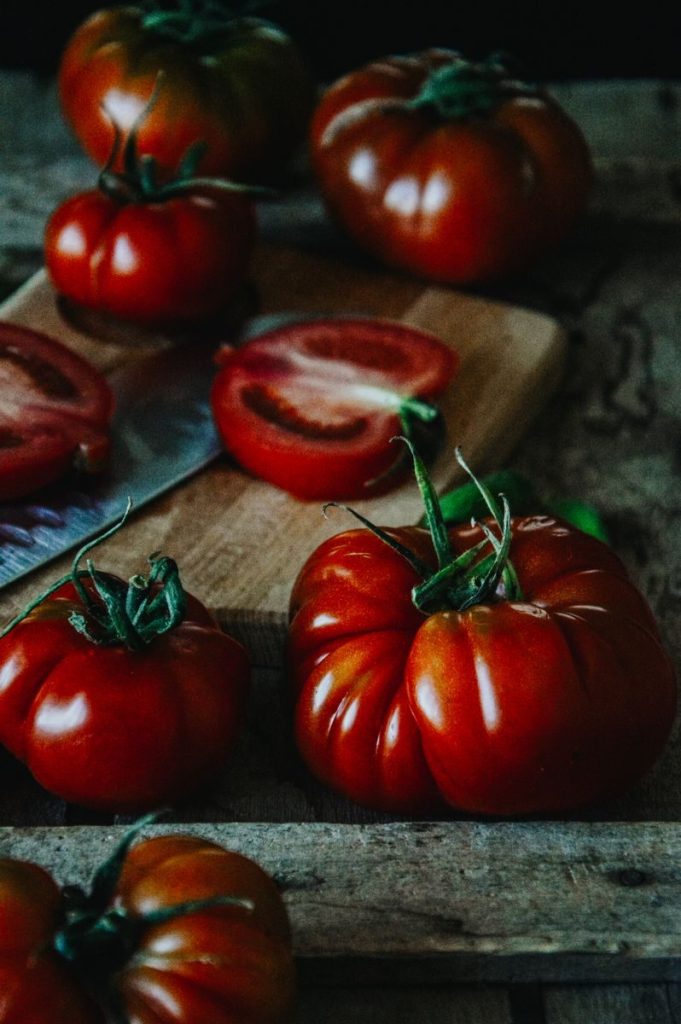
Tomatoes earn their keep nutritionally. One serving provides a good amount of vitamins A, C, and K plus potassium and fiber, according to Michigan State University Extension, along with lycopene, the antioxidant that gives tomatoes their red color and has been studied for a range of health benefits.
And here is a happy bonus for the cooks among us: lycopene becomes more available to your body when tomatoes are cooked. So that pot of homemade sauce simmering on the stove in September is not just delicious, it is arguably the healthiest thing you can do with your harvest.
The Surplus Becomes Your Winter Pantry
Speaking of sauce. Any tomato grower will tell you that August arrives like a freight train. One week, you are checking the vines, hopefully, the next you are leaving bags of tomatoes on the neighbors’ porches.
That surplus is a gift. Extra tomatoes can be preserved by canning or freezing, as Ohio State University Extension points out, and turned into salsa, sauce, soup, or simply frozen whole for winter cooking. Opening a jar of your own crushed tomatoes in January, when the store tomatoes are pale and sad, feels like cheating winter itself.
It Is Good for the Rest of the Garden Too
Tomatoes pull their weight beyond the dinner plate. Their flowers draw bumblebees, which stick around and pollinate everything else. Planting them teaches you the fundamentals that make you a better gardener overall: soil preparation, watering habits, staking, pruning, and reading a plant’s signals. Tomatoes are forgiving enough for beginners but rewarding enough to keep experienced growers tinkering for decades.
They are also the gateway crop. I have never met anyone who grew tomatoes one year and only tomatoes the next. Suddenly, there is basil beside them, then peppers, then you are eyeing the lawn and wondering how the wife would feel about one more bed.
It Just Feels Good
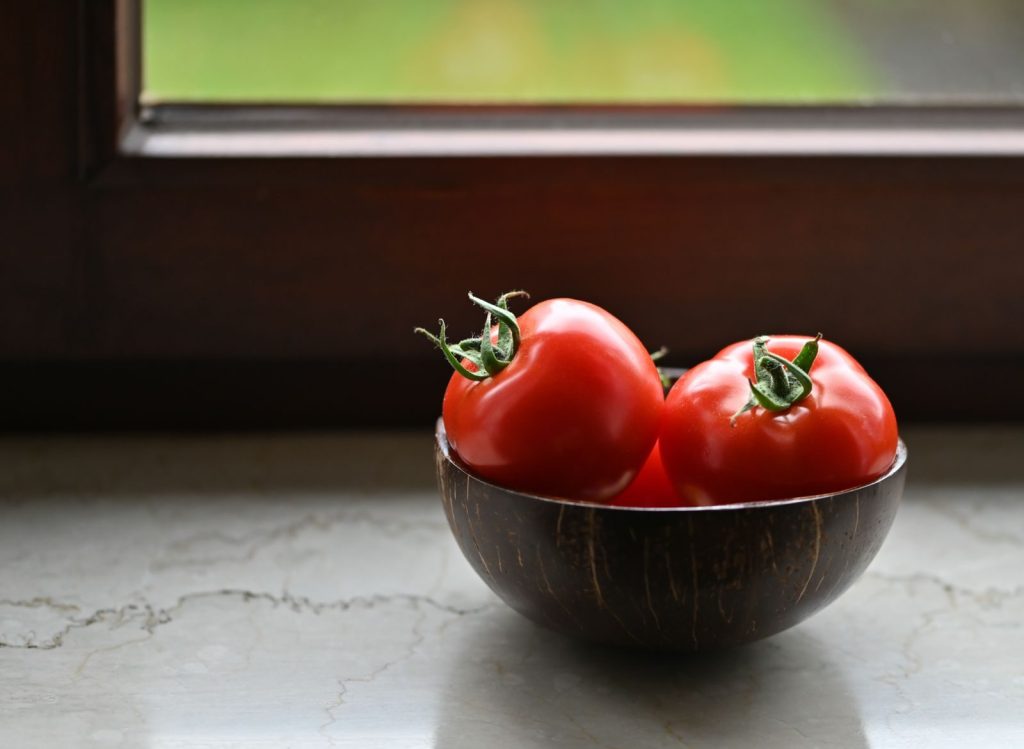
I will end with the reason that is hardest to put a number on. Tending tomato plants gets you outside every day. You notice the weather, the bees, the first yellow blossom, the first green fruit. There is a quiet satisfaction in walking out before dinner with a bowl and coming back with the main ingredient.
Kids love it too. A cherry tomato plant is the single best way I know to get a child to eat a vegetable, mostly because they do not make it back to the kitchen.
Ready to Start?
If this is your first season, start with two or three plants, give them full sun and steady water, and pick a cherry variety plus one slicer. You will be hooked by July. And when the questions start coming, because they will, your local Cooperative Extension office is the best free gardening resource there is.
Now go claim your sunny spot. The tomatoes are waiting.
© 2026 by TomatoEnvy.com All rights reserved. No part of this document may be reproduced or transmitted in any form or by any means, electronic, mechanical, photocopying, recording, or otherwise, without prior written permission.
Disclaimer: This article is for general informational purposes only and is not a substitute for professional medical or nutritional advice. Growing conditions vary by region, so check with your local Cooperative Extension office for guidance specific to your area.