There’s a moment every spring when you walk into a garden center, see those tidy six-packs of tomato seedlings, and think: why am I bothering with all the trays and grow lights and timing charts? Just buy the plants.
It’s a fair question. Buying starts is easier. It’s faster. And for a lot of gardeners, especially anyone short on time or indoor space, it’s the right call.
But growing from seed is a different kind of project, and once you’ve done it, the case for sticking with it gets pretty strong. Here are five honest reasons it’s worth the effort, and a bonus tip for getting more from the seeds you don’t end up planting.
1. You Actually Know What Your Plants Have Been Exposed To
When you buy a transplant, you’re trusting an entire supply chain you can’t see. That used to be a much bigger problem than it is today. Back in 2014, a study from Friends of the Earth famously found that more than half of so-called “bee-friendly” plants sold at big-box nurseries were pre-treated with neonicotinoid pesticides, which are toxic to pollinators.
The good news is that pressure worked. Friends of the Earth reports that more than 140 companies, including Home Depot and Lowe’s, have committed to eliminating neonicotinoids from their supply chains. Follow-up testing has shown a meaningful drop in pre-treated plants on store shelves.
So the situation has improved. It hasn’t disappeared, though. Not every retailer has made the same commitments, labeling is inconsistent, and you still can’t always tell what soil amendments or sprays were used at the greenhouse where your seedling spent its first few weeks. When you start from seed, you control every input from day one. That matters even more if you’re trying to garden organically, attract pollinators, or just feel confident about what your kids are pulling off the vine.
2. The Variety Is Not Even Close
This is the reason most seed-starters get hooked. Walk into a nursery in May, and you’ll see maybe a dozen tomato varieties, mostly the same reliable hybrids every garden center carries. Flip through a seed catalog from Baker Creek Heirloom Seeds’ tomato collection, and you’ll find hundreds. Black tomatoes. Striped tomatoes. Tomatoes the size of a marble and tomatoes that need both hands.
The same goes for almost every crop. Purple carrots. Speckled lettuces. Beans that climb ten feet. Eggplants in colors you’ve never seen at a grocery store. Companies like Territorial Seed, Johnny’s, High Mowing, and Southern Exposure Seed Exchange each have their own deep catalog of regional, heirloom, and trial-tested varieties.
If you care about flavor, this is the real payoff. The tomatoes that taste the best are rarely the ones that ship and store the best, which is why supermarkets don’t carry them, and most nurseries don’t grow them. Starting from seed is how you get to eat the good stuff.
3. The Cost Math Is Honest, Not Magical
People will tell you growing from seed saves money. That’s only partly true, and it depends on what you’re growing and what you already own.
A packet of seeds runs about two to five dollars and contains anywhere from 20 to 200 seeds, depending on the crop. A single tomato seedling at a garden center is typically four to seven dollars. If you germinate even ten plants from one packet, you’re way ahead.
The catch is the up-front gear. Seed trays, a decent grow light, a heat mat for warm-loving crops like peppers and eggplant, and a bag of seed-starting mix add up. Your first season starting seeds is rarely cheap.
But that gear lasts. By year two or three, the per-plant cost drops dramatically, and you’re growing varieties you couldn’t have bought as transplants at any price. If you’re growing a lot of plants, especially anything you’d otherwise buy several of, the math gets very friendly very fast.
4. You Learn How Plants Actually Work
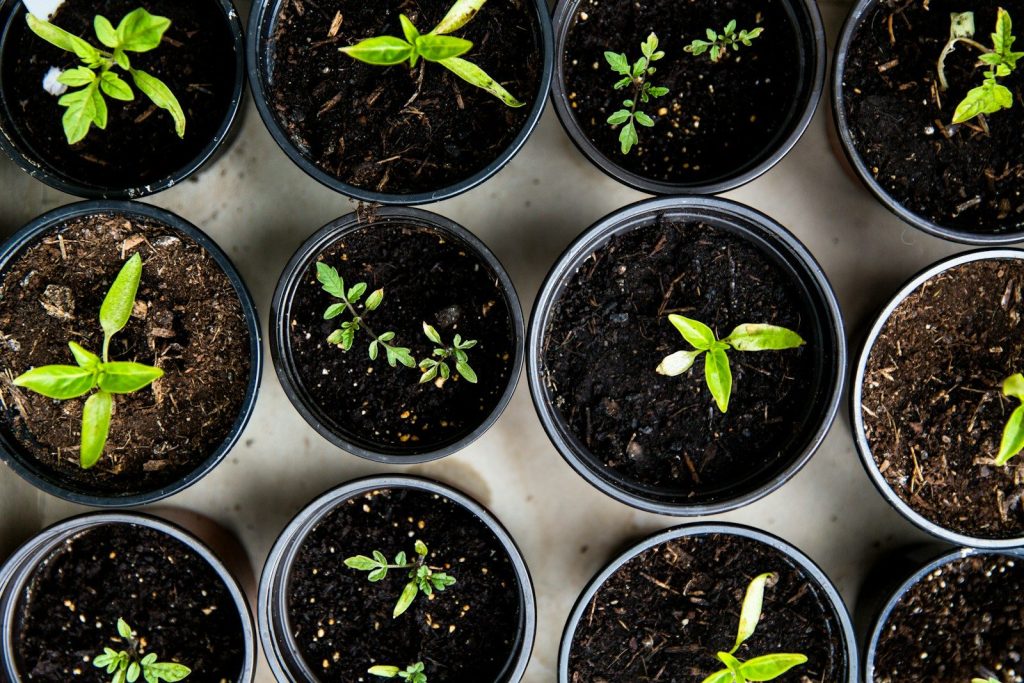
This one sneaks up on you. You think you’re just sprinkling seeds into a tray, and a few months later, you find yourself explaining cotyledons to someone at a dinner party.
When you start seeds, you watch the entire life cycle. The seed leaves emerge first, and they look nothing like the true leaves that come next. You learn why seedlings stretch and flop when they don’t get enough light, and how to fix it. You discover that tomato stems grow tiny hairs that can become roots if you bury them deep at transplant time, which is why experienced gardeners plant tomatoes sideways or in deep holes.
You also learn timing, which is the part most new gardeners get wrong. Cornell Cooperative Extension’s guide to indoor seed starting makes the point repeatedly: starting too early is worse than starting too late, because oversized leggy plants don’t transplant well and never quite recover. That kind of detail isn’t intuitive. You only really absorb it once you’ve watched it happen.
After a season or two, you understand your climate, your last frost date, and which crops in your garden need a head start indoors versus which ones do better direct-sown. That knowledge compounds every year.
5. It Is Genuinely Satisfying
This sounds soft, but it’s the reason people keep doing it.
There is something specific about watching a pepper seed, which is about the size of a sesame seed, turn into a four-foot plant loaded with glossy fruit. You did that. You picked the variety, soaked the seed, kept the light close enough to prevent leggy stems, hardened the seedling off in spring, and now you’re slicing your own peppers into a stir fry in August.
That whole arc is also a good winter project. The hardest part of gardening in cold climates is the dead stretch from January through March, and getting a tray of seeds going in late February or early March puts something green and growing back in your house exactly when you need it most. If you have kids, the daily check-in on the tray is one of the easier ways to get them interested in food.
Bonus: Use the Leftover Seeds for Indoor Sprouts and Microgreens
Every gardener ends up with extra seeds. Packets contain way more than you can plant, and after a few years, they lose viability anyway.
Don’t throw them out. Pea shoots, sunflower microgreens, radish sprouts, and broccoli microgreens grow in about a week on a sunny windowsill or under your existing grow lights. They go straight into salads, sandwiches, and stir fries, and they taste like the plant they’ll never get to become. It’s a low-effort way to keep eating from your garden through the winter and put leftover seeds to honest use.
So, Is It Worth It?
Honestly, not for everyone. If you don’t have the time, the indoor space, or the patience to learn the ropes, buying transplants is a perfectly good way to grow a great garden.
For everyone else, growing from seed is the difference between gardening and just maintaining a small farm someone else planted. You get to pick the varieties, control the inputs, learn how the whole thing actually works, and end up with food that tastes like something. The first year is the hardest. After that, it’s mostly habit.
If this is your first attempt, start small. Pick two or three crops you really want to grow. Tomatoes, peppers, and a leafy green are a good starter set. Get a basic grow light setup, follow your local extension’s last frost dates, and don’t start anything too early. You’ll make mistakes. That’s the point.
© 2026 by TomatoEnvy.com All rights reserved. No part of this document may be reproduced or transmitted in any form or by any means, electronic, mechanical, photocopying, recording, or otherwise, without prior written permission.
Disclaimer: This article is for general gardening information only. Pesticide regulations, retailer policies, and seed company offerings change over time. Always check current product labels and consult your local cooperative extension service for region-specific planting advice.